
Vous êtes passionné par le vélo et cherchez de nouveaux horizons à explorer ? La France regorge d'itinéraires magnifiques pour satisfaire tous les cyclistes, qu'ils soient amateurs ou confirmés. Dans cet article, nous allons vous présenter les 10 plus beaux parcours à découvrir en France, qui vous permettront de profiter de paysages à couper le...
Conduire n'aura jamais été aussi passionant
Article à la une
Comment le taxi moto peut être une alternative efficace aux transports traditionnels ?
Dans un contexte où la mobilité et l'accessibilité sont devenues des enjeux majeurs pour les villes et les entreprises, les modes de transport alternatifs sont de plus en plus prisés. Parmi eux, le taxi moto se démarque comme une solution efficace et rapide pour se déplacer en milieu urbain. Cet article va vous présenter les avantages de ce mode...
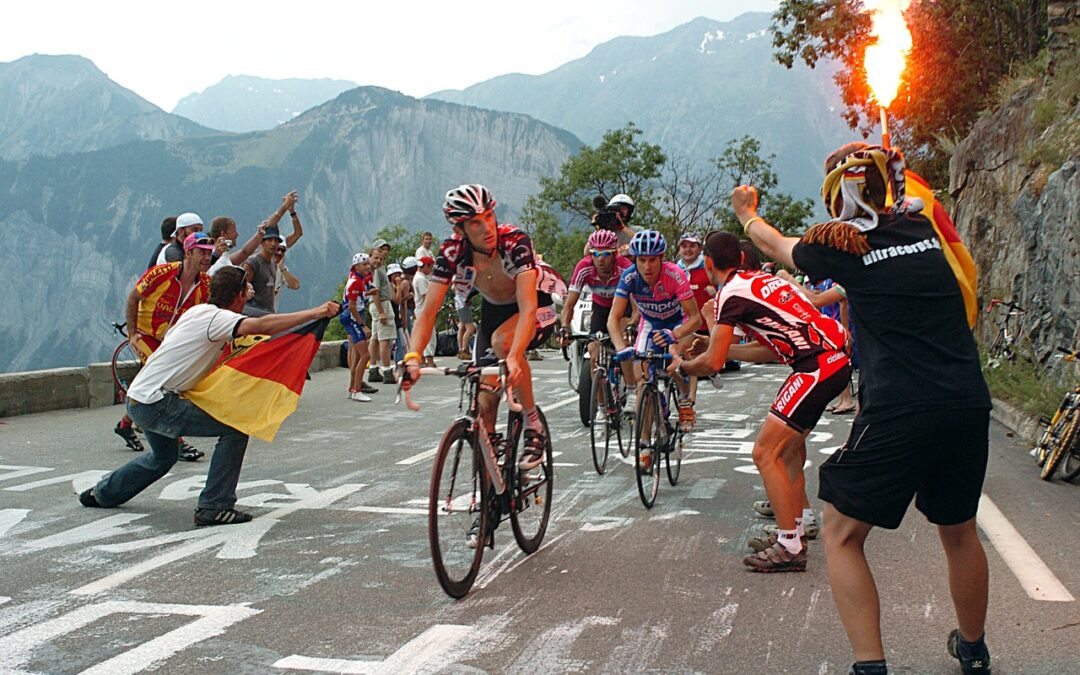
Le cyclisme : top 10 des plus beaux parcours à découvrir en France
Vous êtes passionné par le vélo et cherchez de nouveaux horizons à explorer ? La France regorge d'itinéraires magnifiques pour satisfaire tous les cyclistes, qu'ils soient amateurs ou confirmés. Dans cet article, nous allons vous présenter les 10 plus beaux parcours à...

Comment le taxi moto peut être une alternative efficace aux transports traditionnels ?
Dans un contexte où la mobilité et l'accessibilité sont devenues des enjeux majeurs pour les villes et les entreprises, les modes de transport alternatifs sont de plus en plus prisés. Parmi eux, le taxi moto se démarque comme une solution efficace et rapide pour se...

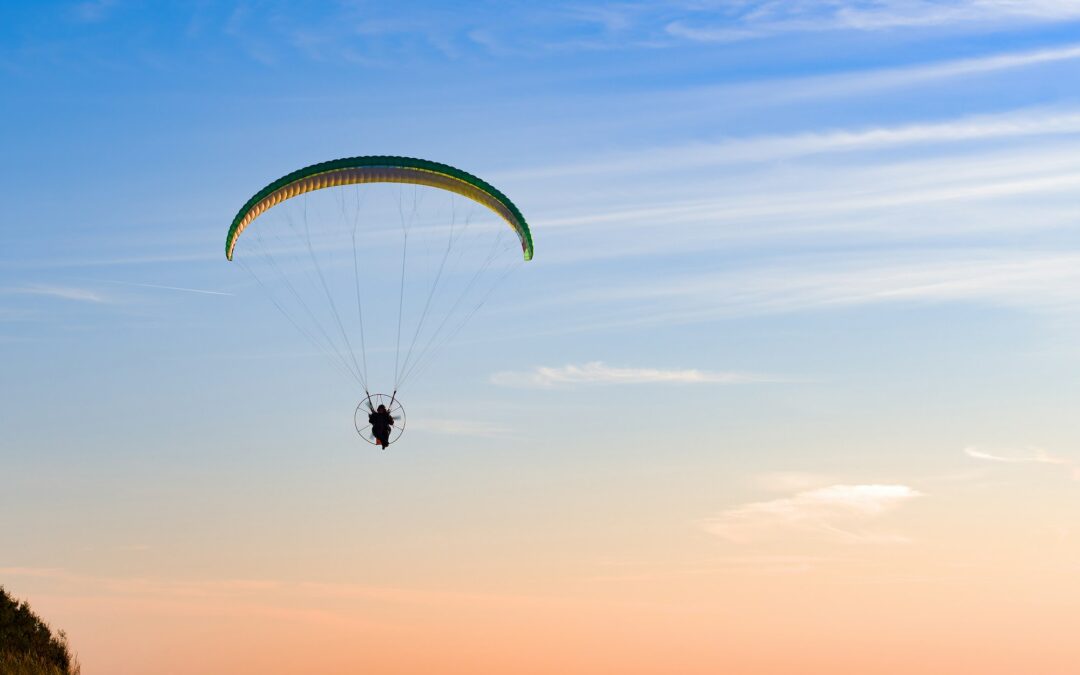
Top des meilleures activités à faire en montagne, été comme hiver
Les montagnes offrent un large éventail d'activités pour tous les âges et toutes les envies, que ce soit en été ou en hiver. Que vous soyez amateur de sensations fortes ou à la recherche de vacances en famille, découvrez le top des meilleures activités à faire en...
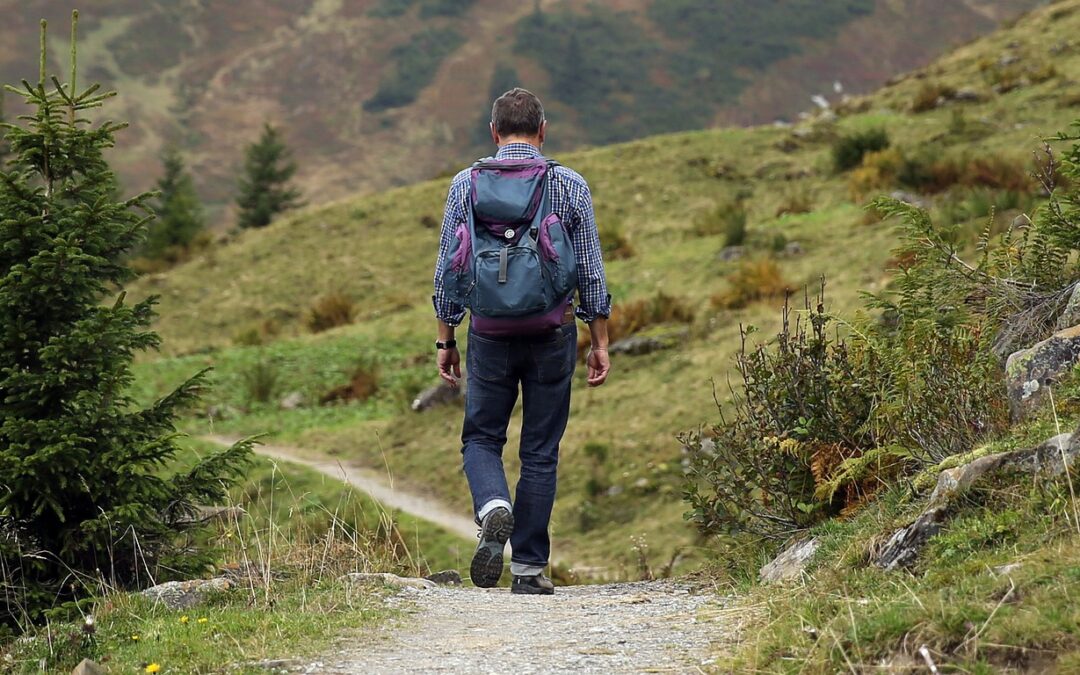
Les 10 destinations les plus propices au trekking
Vous êtes passionnés de trekking et à la recherche de nouvelles destinations pour assouvir votre soif d'aventure ? Le monde regorge de paysages exceptionnels et de parcours de randonnée qui n'attendent que vous. Dans cet article, découvrez les 10 destinations...
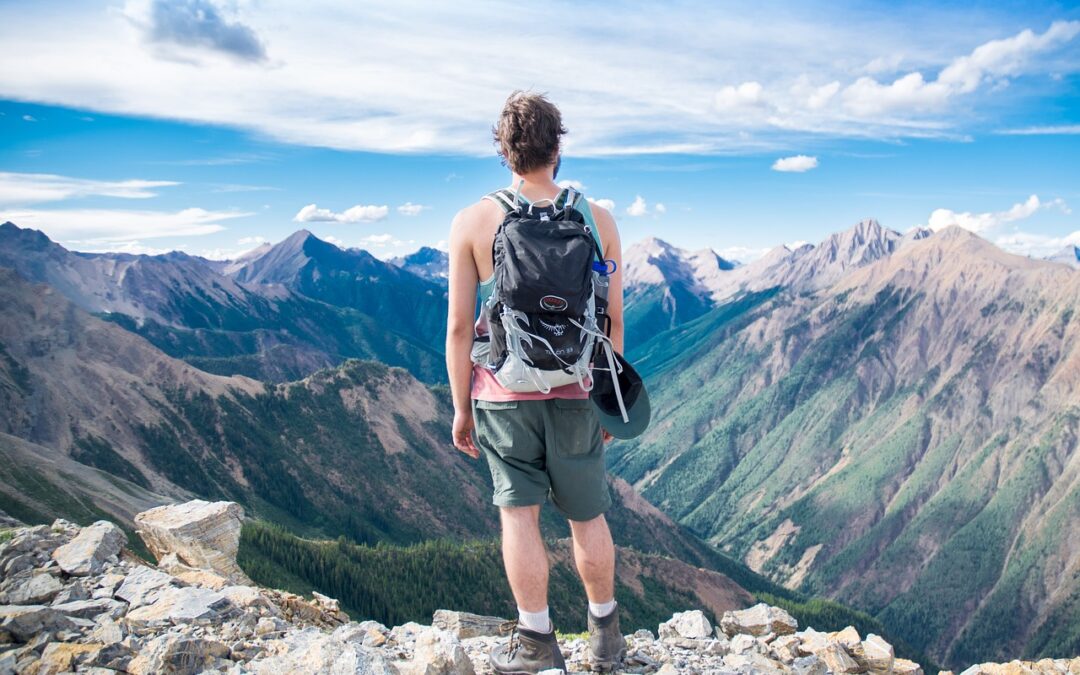
Top 5 des randonnées les plus époustouflantes à travers le monde
Vous êtes à la recherche de nouveaux défis pour vos escapades en pleine nature ? Ne cherchez pas plus loin, car nous avons préparé pour vous une liste des 5 randonnées les plus époustouflantes à travers le monde. Préparez-vous à découvrir des sentiers incroyables, des...

Les 7 plus beaux villages médiévaux d’Europe à découvrir
L'Europe regorge de villages médiévaux qui ont traversé les siècles et conservent un patrimoine architectural et culturel d'une grande richesse. Ces villages sont une invitation au voyage dans le temps, un hommage à un passé lointain et fascinant. Dans cet article,...
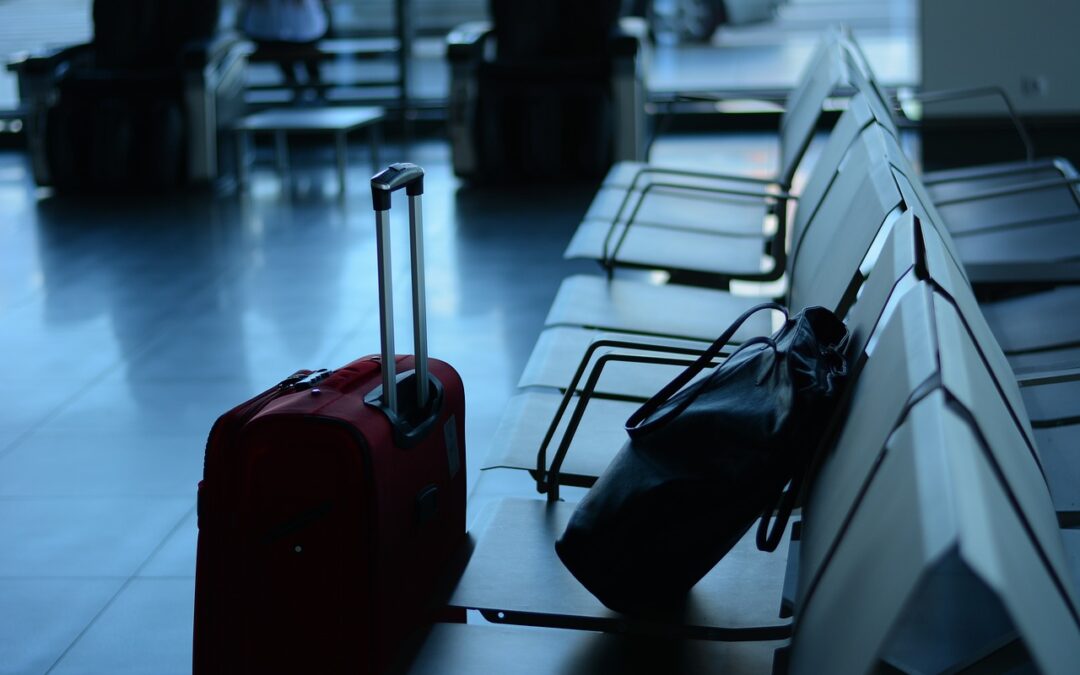
Voyager seul : comment faire des rencontres inoubliables ?
Voyager en solo offre de nombreuses opportunités pour découvrir le monde et faire des rencontres marquantes. Dans cet article, nous vous donnerons des conseils pour vivre des expériences inoubliables et profiter pleinement de vos voyages en solitaire. Choisir les...
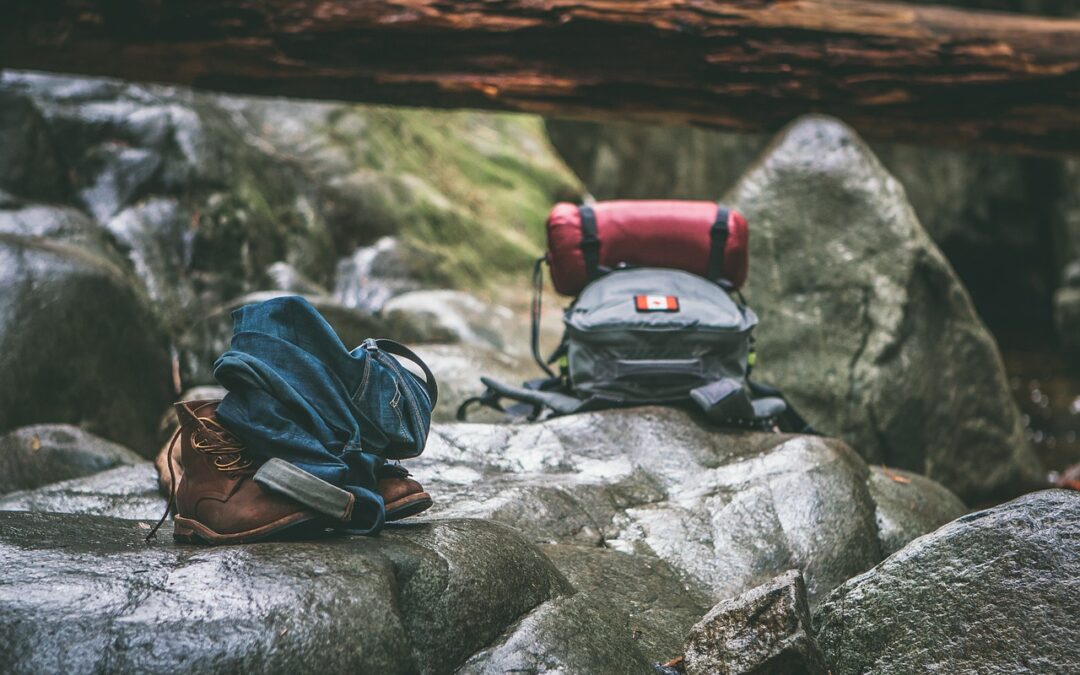
Voyager avec un budget serré : astuces et bons plans
Vous rêvez de partir en vacances, mais votre budget est limité ? Pas de panique ! Il existe de nombreuses astuces pour vous permettre de voyager sans vous ruiner. Dans cet article, nous vous présenterons des conseils pratiques pour vous aider à organiser votre voyage...

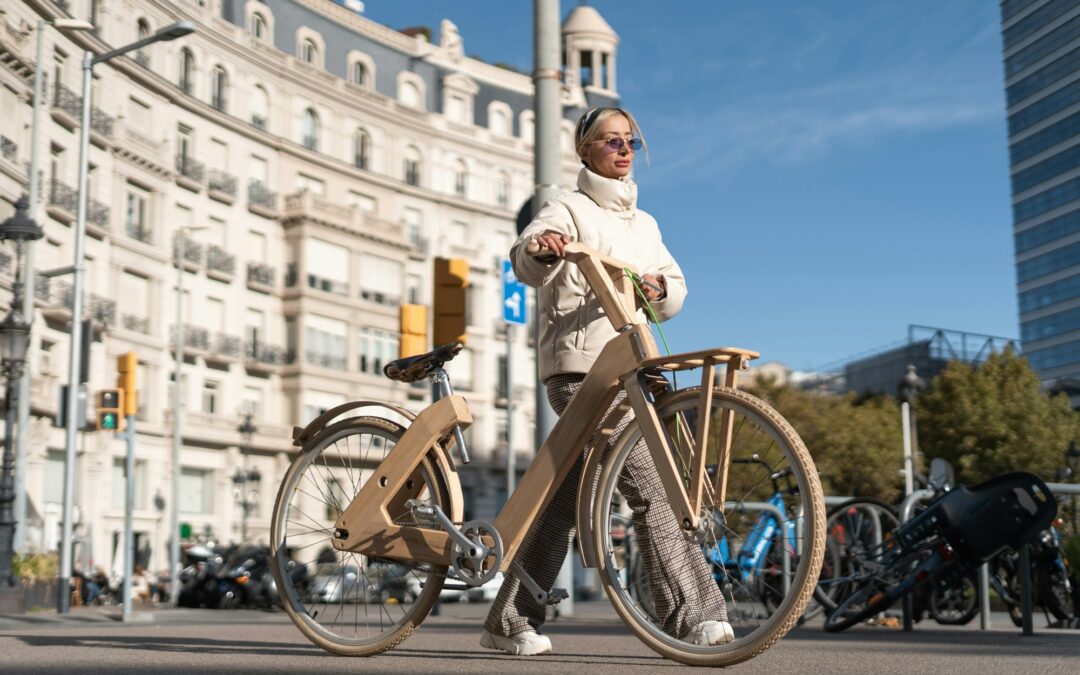
Quels sont les meilleurs vélos pour la ville ?
Lorsqu'il s'agit de naviguer dans le tissu urbain, le choix du vélo idéal peut significativement transformer l'expérience de déplacement. Parmi la diversité des options disponibles, trois types de vélos se distinguent particulièrement pour leur adaptabilité et leur...
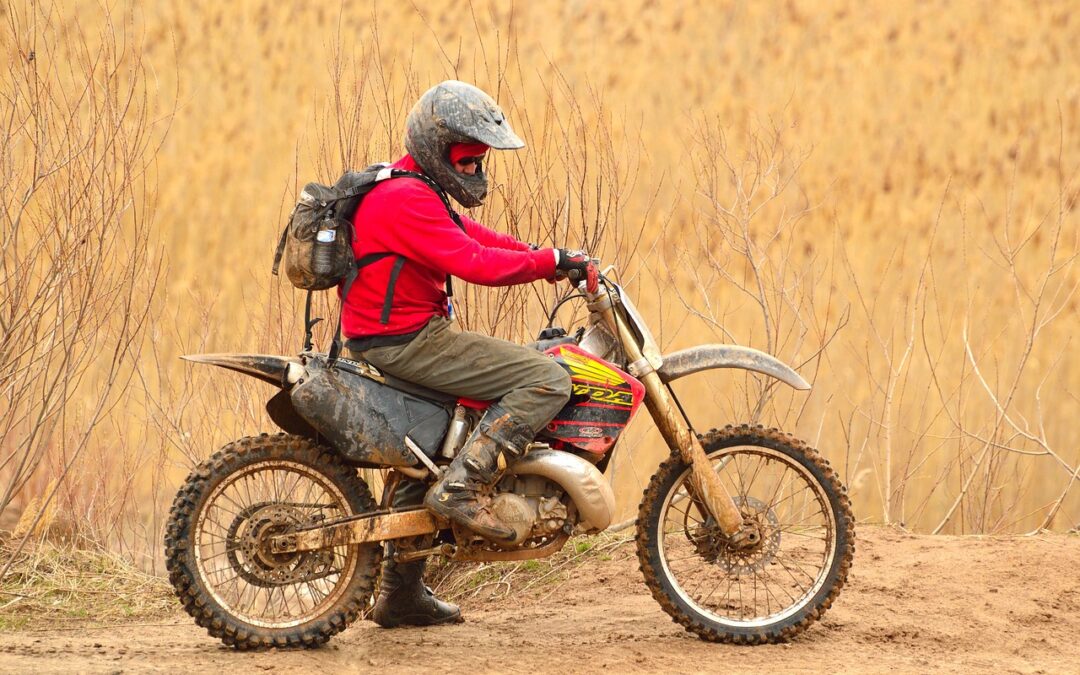
Les 5 motos les plus fun à piloter pour les amateurs de sensations fortes
Dans cet article, nous allons découvrir ensemble les 5 motos les plus fun à piloter pour les amateurs de sensations fortes. Vous trouverez des conseils sur le choix de la moto, des avis de pilotes et des informations sur les stages de pilotage en circuit. De la moto...
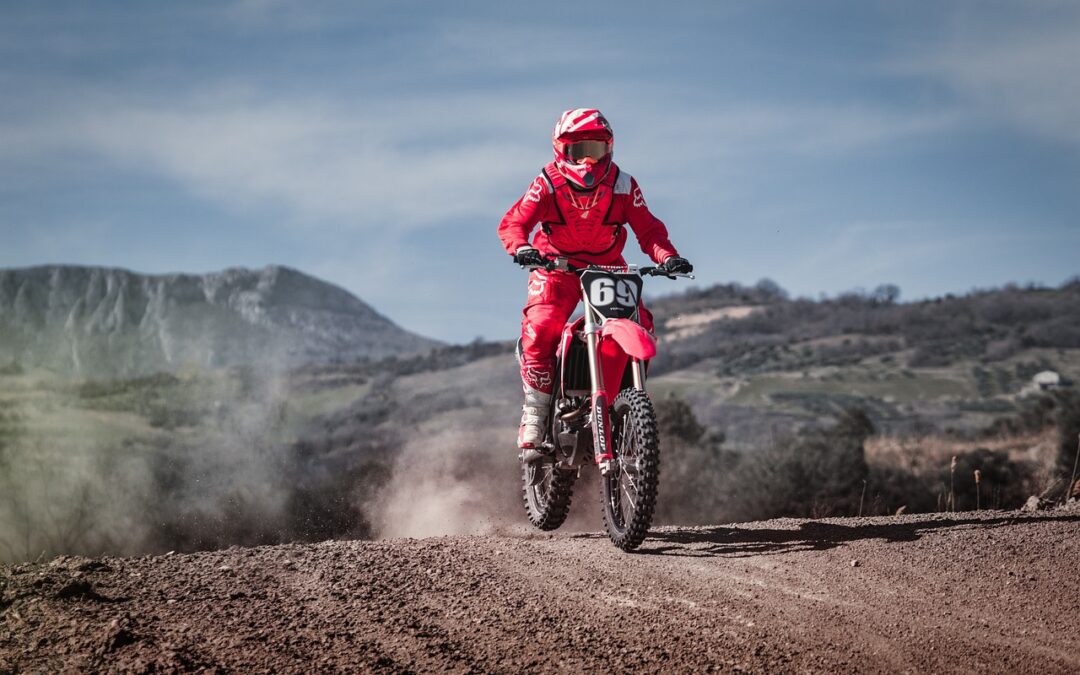
Les motos les plus récentes à se lancer sur le marché de l’occasion
Dans cet article, nous vous présenterons les motos les plus récentes à faire leur entrée sur le marché de l'occasion. Nous aborderons les différents modèles et marques, leurs caractéristiques techniques, ainsi que les conseils pour bien choisir sa première moto...
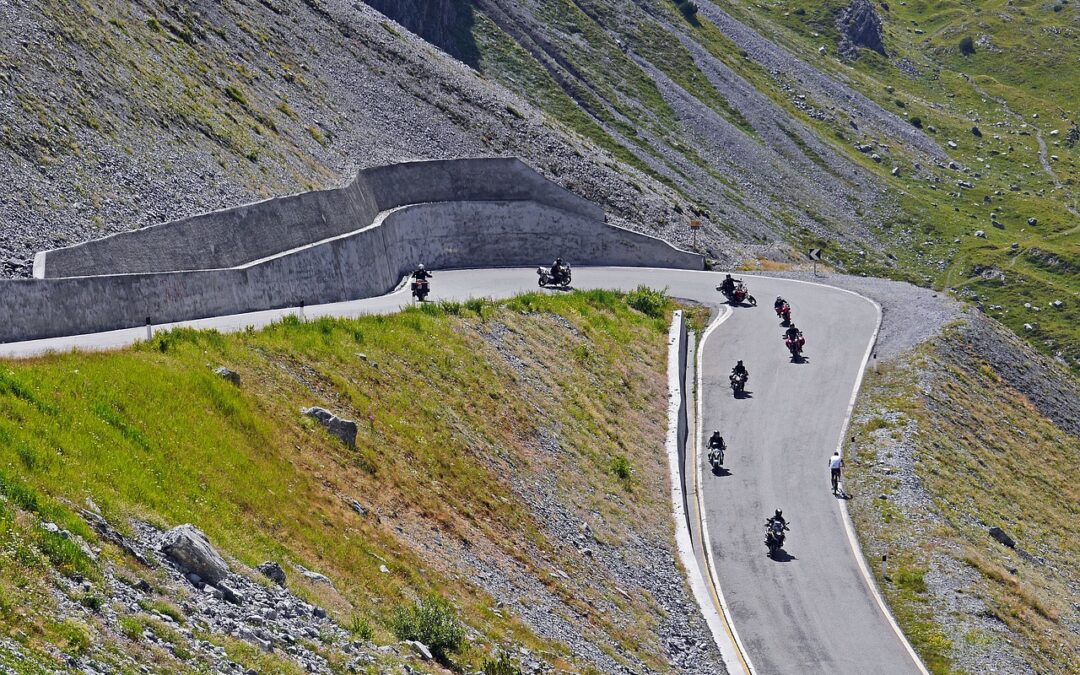
Les constructeurs de motos italiennes les plus emblématiques
Le monde des deux-roues est riche en histoire et en diversité, et parmi les acteurs les plus célèbres de ce domaine, les constructeurs italiens occupent une place de choix. Cet article vous présente les marques de motos italiennes les plus emblématiques et leurs...

Comment assurer sa moto : comparatif des meilleures offres
Assurer sa moto est une étape indispensable pour rouler en toute légalité et sérénité sur les routes françaises. Cependant, il n'est pas toujours évident de s'y retrouver parmi toutes les offres proposées par les différentes compagnies d'assurance. Dans cet article,...
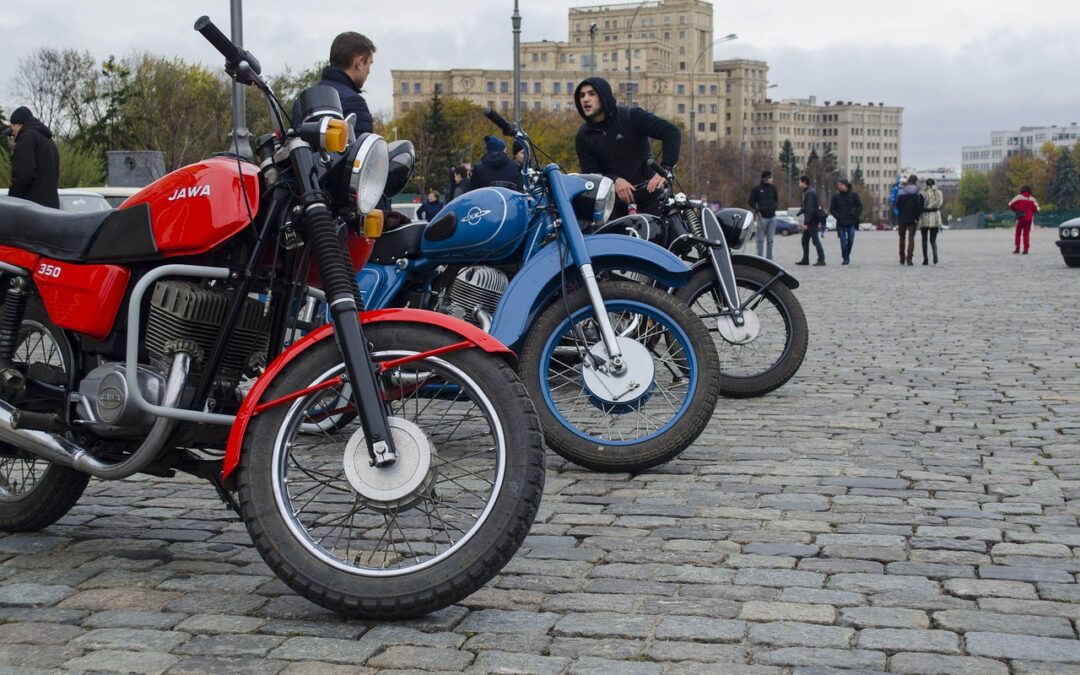
Les 10 meilleures motos pour les passionnés de courses
Dans le monde de la moto, il existe une multitude de modèles différents, chacun ayant ses propres caractéristiques et spécificités. Pour les passionnés de courses, le choix d'une moto adaptée est essentiel pour profiter pleinement des sensations fortes offertes par la...

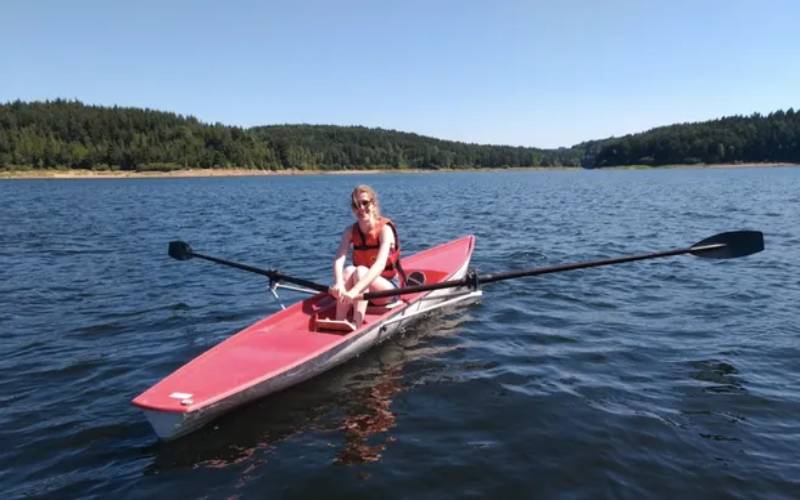
J’ai testé l’aviron pour vous !
Le sport est extrêmement important dans la vie de chacun, c’est pourquoi il doit prendre un certain espace et qu’il doit être pratiqué aussi souvent que possible. Cependant, il ne faut tout de même pas oublier que plusieurs disciplines existent. Elles peuvent être...
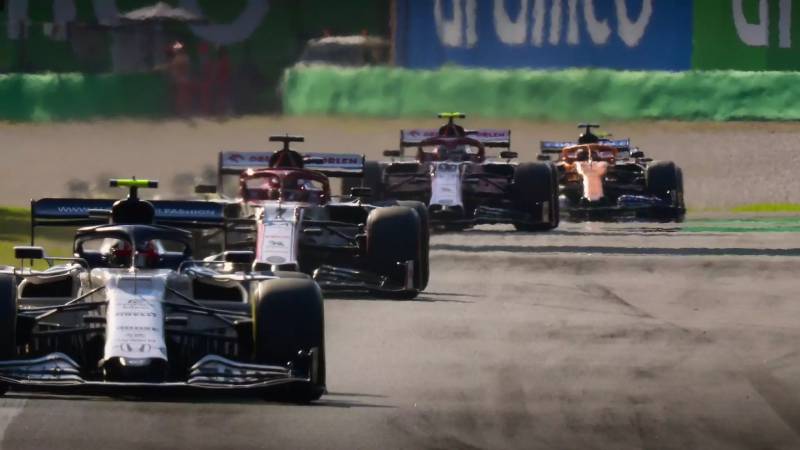
Je me suis pris de passion pour la F1 grâce à Drive to survive
En 2019, une nouvelle série a été lancée sur Netflix, intitulée Drive to Survive. Cette série a connu un succès phénoménal après son lancement. Personnellement, je n'étais pas un grand fan de f1, mais après avoir regardé cette série, ma passion pour la course...
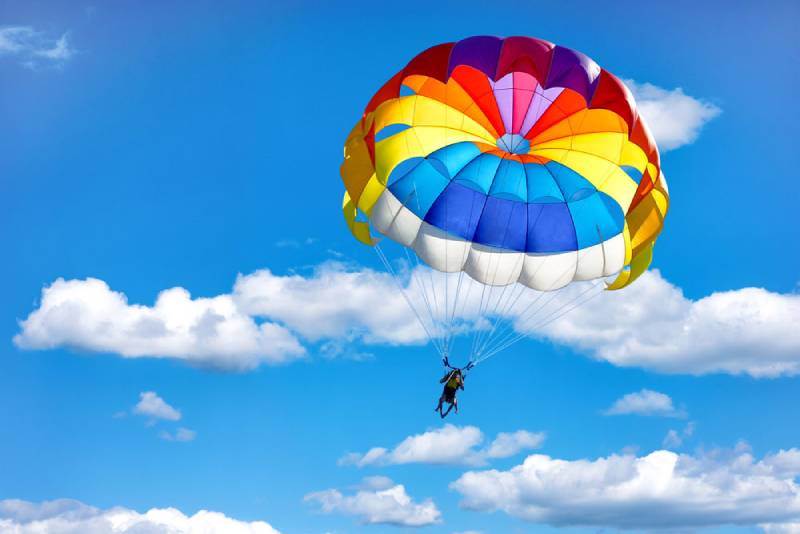
Le saut en parachute : bonne ou mauvaise idée ?
Faire du parachute est un rêve pour beaucoup de personnes, mais tout le monde n’ose pas forcément sauter le pas, car la peur prend souvent le dessus. D’ailleurs, beaucoup de personnes pensent au parachute comme étant une très mauvaise idée. En effet, pas mal de...
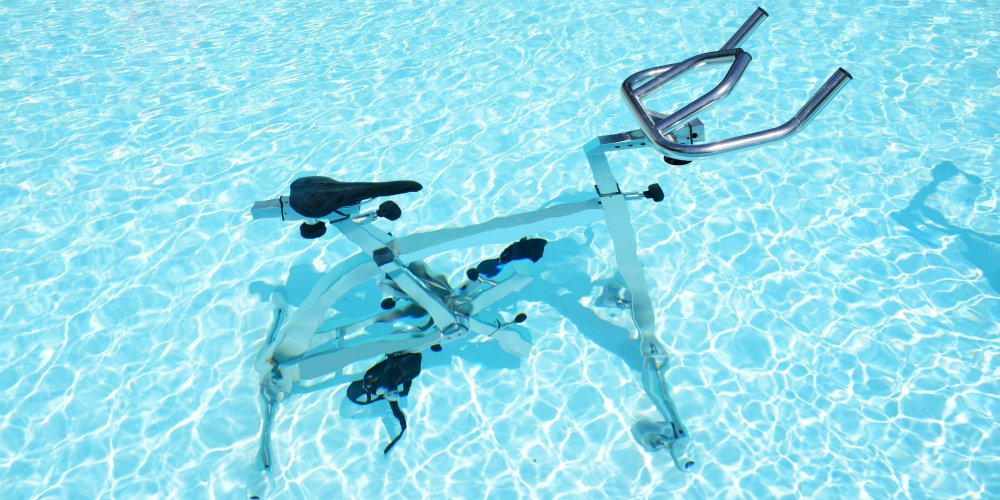
Cet été j’ai essayé l’aquabiking !
Travailler ses muscles, faire moins de mal à ses articulations, travailler son cardio, etc. Ce sont d’excellents points que tout le monde souhaiterait trouver dans une discipline sportive et c’est fort heureusement possible. En effet, avec l’aquabiking, il est...
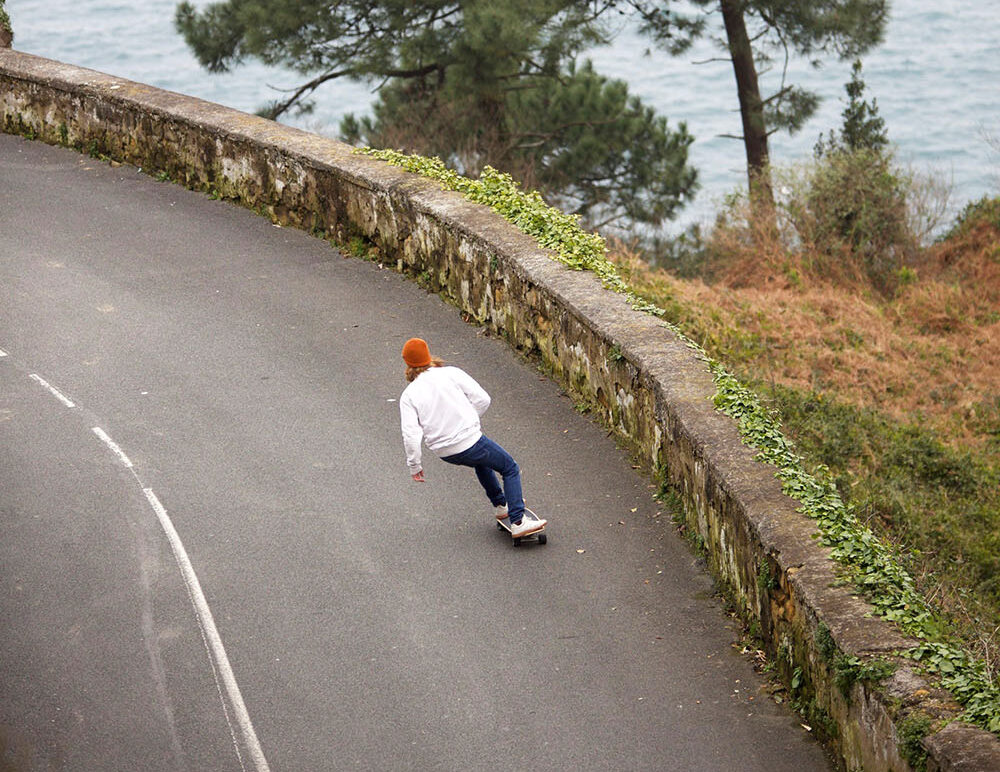
Le Surf Skate ma nouvelle passion
Depuis quelques mois en quête de sensation et avec le manque de conditions de vagues et la saison du snowboard que je n'ai pas eu l'année dernière, je me suis mis à faire du surfskate ! C’est en fait totalement différent du skateboard et pour ma part je me suis...

Tout savoir sur le vol en parapente
Vous avez toujours voulu voir le monde sous une autre perspective, mais vous n’avez jamais réussi à trouver suffisamment de temps libre pour pratiquer le vol en parapente ? Maintenant que vous êtes tout disposé à étudier la question, vous allez avoir besoin de...

Comment le taxi moto peut être une alternative efficace aux transports traditionnels ?
Dans un contexte où la mobilité et l'accessibilité sont devenues des enjeux majeurs pour les villes et les entreprises, les modes de transport alternatifs sont de plus en plus prisés. Parmi eux, le taxi moto se démarque comme une solution efficace et rapide pour se...

Pourquoi le téléphérique est le moyen de transport pratique dans les zones montagneuses ?
Les téléphériques sont de plus en plus populaires en tant que moyen de transport dans les zones montagneuses, en France et dans d'autres pays. Ces systèmes de transport par câble offrent de nombreux avantages par rapport aux autres modes de transport et sont...
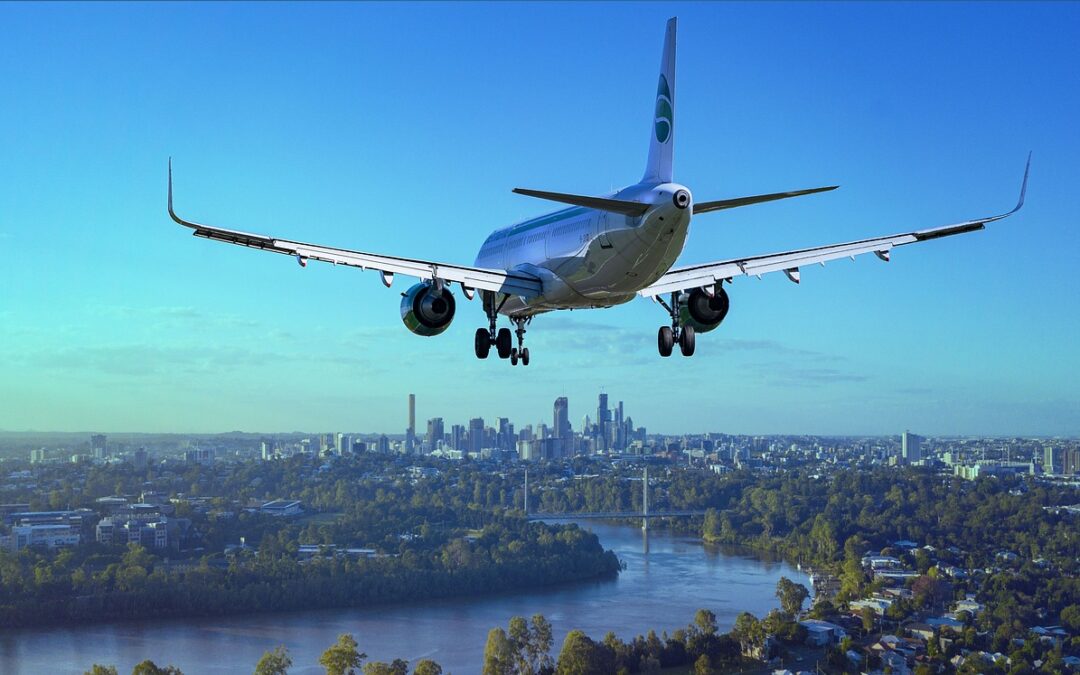
Voyager en avion : les avantages incomparables des vols low-cost
Dans un contexte où les voyages sont de plus en plus accessibles, choisir la meilleure option pour se déplacer peut s'avérer complexe. Cet article vous présente les avantages des vols low-cost et vous aide à comprendre pourquoi ces compagnies aériennes sont de plus en...
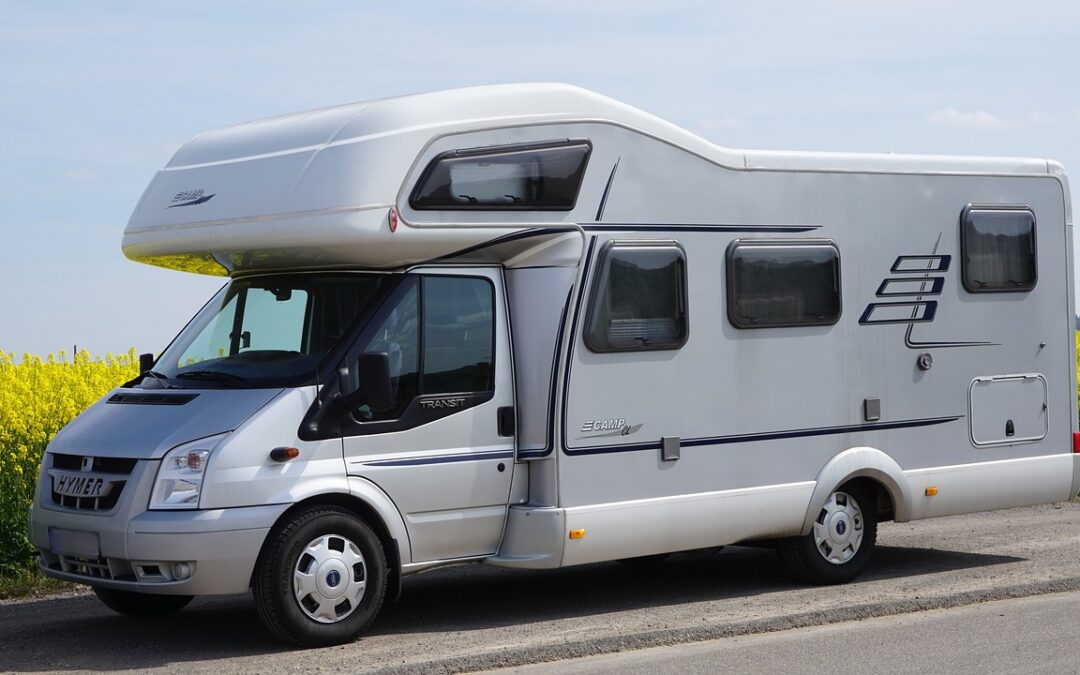
Les avantages à louer un camping-car pour un road-trip en famille
Dans cet article, vous découvrirez les avantages de la location d'un camping-car pour un voyage en famille. Vous apprendrez également comment choisir le bon véhicule, comment organiser votre road-trip et quels sont les points à prendre en compte pour profiter...
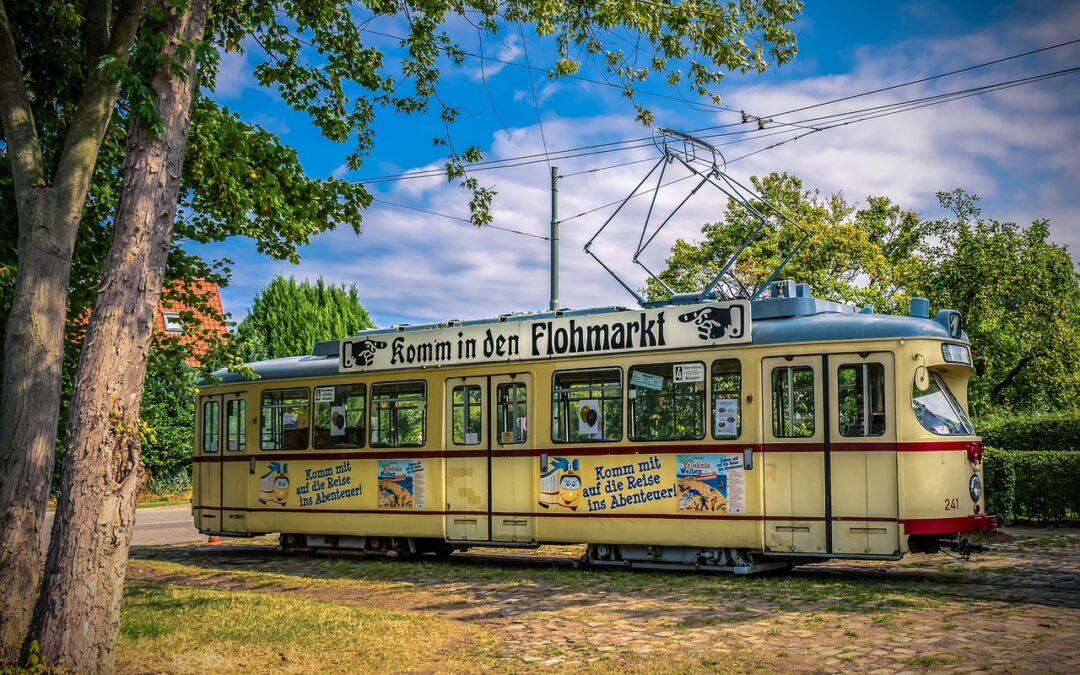
Comment le tramway peut transformer les déplacements dans les villes ?
Dans un monde en constante évolution, la mobilité urbaine est au cœur des préoccupations des villes. Le tramway s'impose de plus en plus comme une solution de transport en commun efficace et adaptée aux enjeux environnementaux actuels. Cet article vous présente...
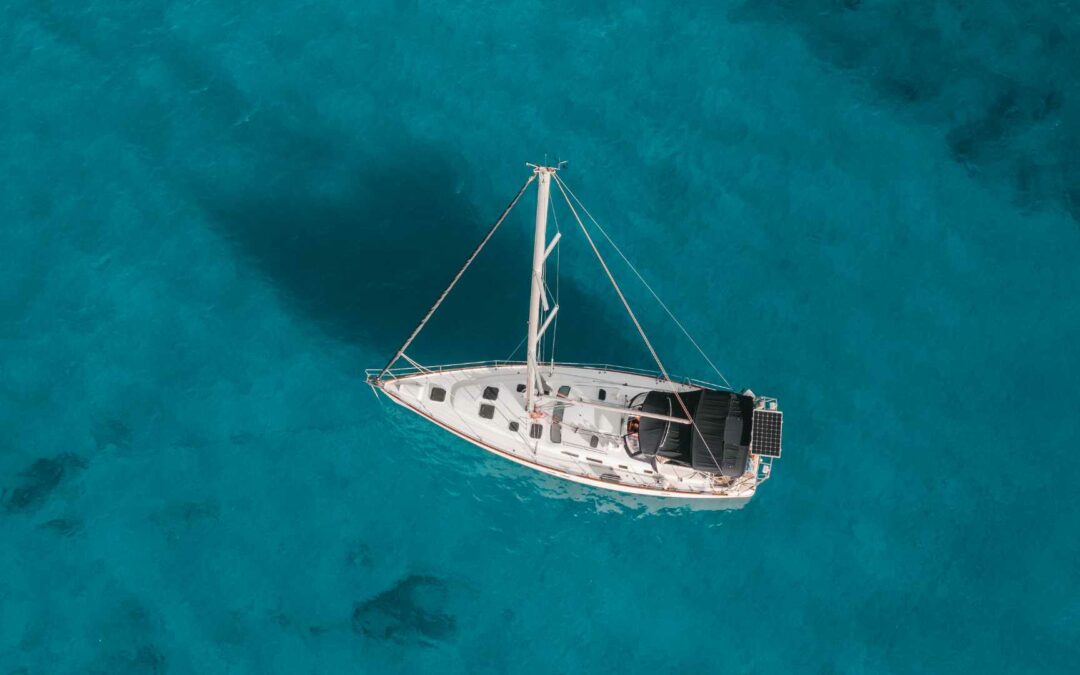
Les avantages du bateau pour voyager à travers les grands espaces
Embarquez avec nous à bord d'un bateau pour découvrir les nombreux avantages qu'offre ce mode de voyage. Que ce soit pour une croisière en méditerranée ou une navigation sur les grands voiliers, les bateaux ont de nombreux atouts pour vous garantir des vacances...
Une mine d’informations
Ce site est une mine d’or d’informations sur ces divers domaines. Il arrive souvent qu’il nous manque une information clé pour résoudre une situation, grâce à mon expérience, je vous transmets cette information ! Vous ignorez les démarches à faire avant un voyage ou comment réparer votre moto ? je vous apporte mon aide !
Recherche des meilleures opportunités
De par mon expérience, je suis en capacité de vous indiquer les meilleures opportunités pour chacun de ces domaines. Destination de voyage idéale, équipement sportif de qualité, véhicule reconnue et puissant, je décline pour vous les meilleurs produits du marché.
Conseils et astuces économiques
Vous trouverez sur les différentes sections du site des astuces pour vous permettre d’économiser dans de nombreux cas. Equipement sportif, nouveau véhicule, prix d’un voyage… je fais en sorte de préserver votre porte-monnaie !